
RMPA 2027 Invited Speakers
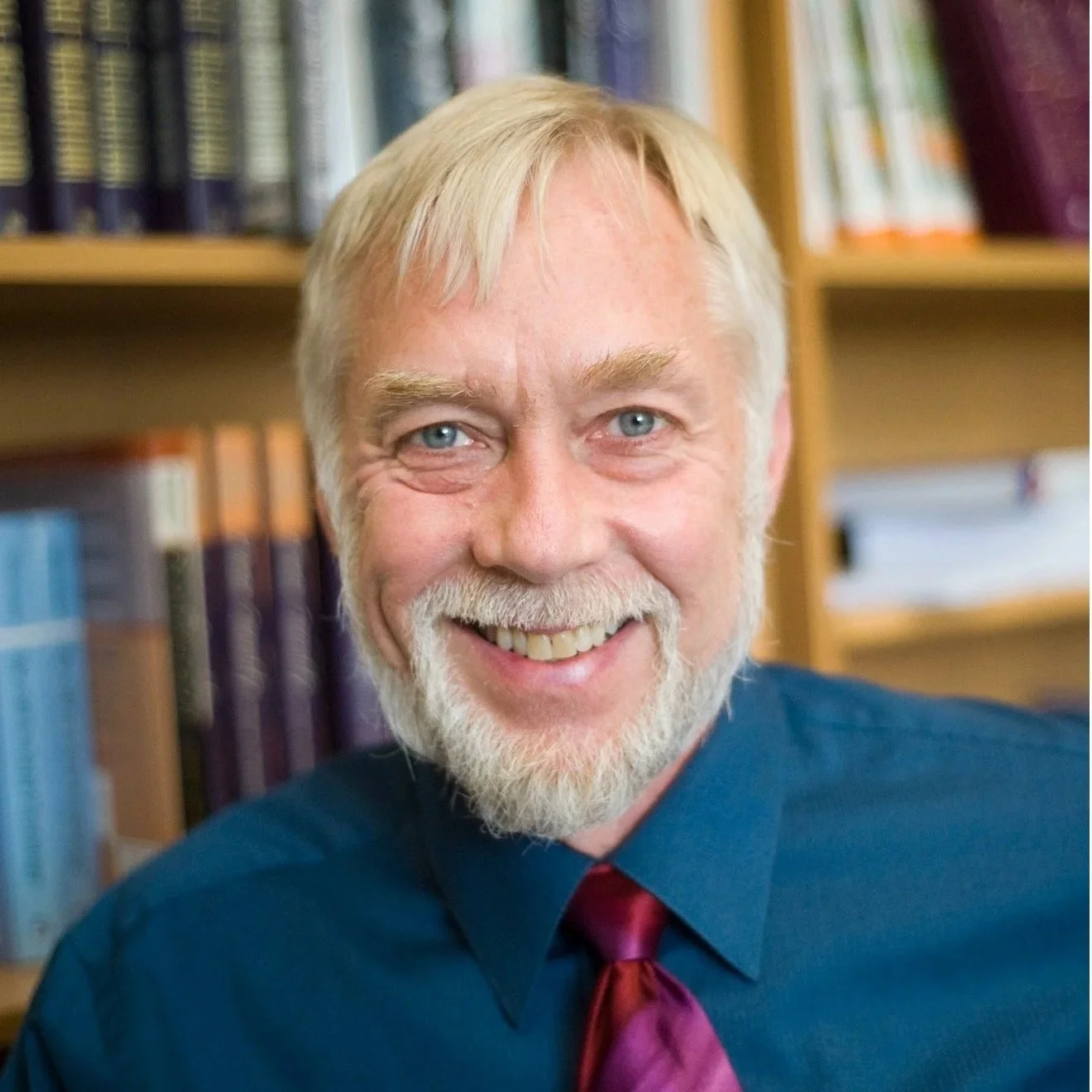
Roy F. Baumeister, Ph.D.
Roy F. Baumeister is a social and personality psychologist. He received his Ph.D. in experimental social psychology from Princeton in 1978 and did a postdoctoral fellowship in sociology at the University of California at Berkeley. He spent over two decades at Case Western Reserve University. He has also worked at the University of Queensland, Harvard University, Florida State University, the University of Texas, the University of Virginia, the Max-Planck-Institute, the VU Free University of Amsterdam, the University of California at Santa Barbara, the Russell Sage Foundation, the University of Bamberg (Germany), and Stanford’s Center for Advanced Study in the Behavioral Sciences. Baumeister’s research spans multiple topics, including self and identity, self-regulation, interpersonal rejection and the need to belong, sexuality and gender, aggression, self-esteem, meaning, and self-presentation. He has received research grants from the National Institutes of Health and from the Templeton Foundation. He has over 750 publications, and his 49 books include Evil: Inside Human Violence and Cruelty, The Cultural Animal, Meanings of Life, and the New York Times bestseller Willpower: Rediscovering the Greatest Human Strength. Other scientists have cited his work around 350,000 times, making him among the handful of most influential researchers in the world. He has received several major awards, including the William James Fellow award from the Association for Psychological Science, the Jack Block Award from the Society for Personality and Social Psychology, and the Distinguished Scientist Award from the Society for Experimental Social Psychology. His talk at RMPA is based on his address at the American Psychological Association conference in 2026 upon receiving the Hilgard Award for lifetime contributions as a generalist.
Interested in knowing more? Here’s a link to Dr. Baumeister’s substack.
Talk Title and Abstract:
The Psychology of the Human Essence: Conclusions from a Half Century Career as Generalist
The human mind was created by nature, for culture, so the distinctively human traits result from biological adaptations to enable us to participate in, sustain, and benefit from culture. Culture is based on communication and cooperation, both of which traits are far more advanced in humans than other apes. In particular, humans devise complex social systems with many interlocking, complementary roles, often for producing resources. The human self comes into being as the brain learns to perform a role in the social system, including reputation management. Motivation is fundamental to the mind, and emotion and cognition serve motivation via guiding behavior. People seek meaningful lives, and these meanings integrate across time. Behavioral flexibility (including free will) is adaptation for culture based on autonomy and responsibility. Men and women have been partners more than enemies, enabling our population to flourish.
RMPA Distinguished Lecture
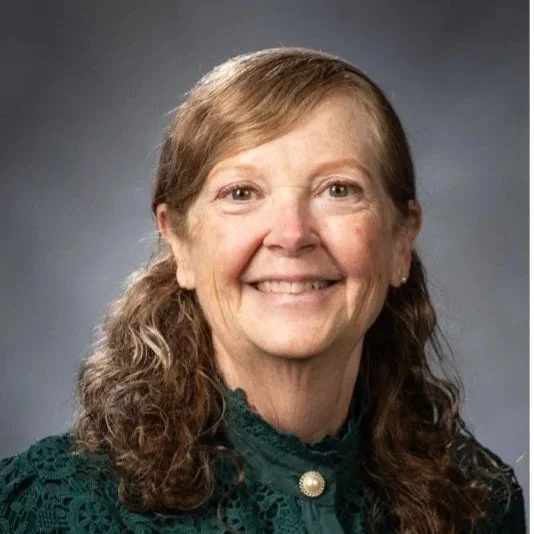
Dianne M. Tice, Ph.D.
Brigham Young University
Dianne M. Tice is a social psychologist at Brigham Young University. She received her Ph.D. from Princeton University in 1987 and has held tenured positions at Case Western Reserve University, Florida State University, and Brigham Young University. She also held visiting positions at The Max Planck Institute in Munich, University of Virginia, Vrije Universiteit Amsterdam, University of British Columbia, and Santa Barbara University. She has spent her career studying the self, including how the self relates to self-esteem, self-handicapping, self-control and self-regulation, as well as how it relates to belongingness, emotions, and behavior. Some of her most recent work focuses on uncertainty, awe fatigue, and the replication crisis in psychology. Her work has been highly influential and is cited well over fifty eight thousand times. She has an h-index of 59, meaning that fifty nine of her publications have been cited by other researchers at least fifty nine times, and an i10 index of 96. Sixteen of her publications have been cited over one thousand times. She recently received the Distinguished Lifetime Career Award from The International Society for Self and Identity and the Karl G. Maeser Award for Research and Creative Arts from Brigham Young University. Talking with students is her favorite part of her job.
Talk Title and Abstract:
Is There Really a Replication Crisis in Psychology?
Concerns about the replicability of psychology experiments have been expressed by some researchers, and those concerns have been echoed and even amplified in the media and social media. But is there really a crisis of replicability in psychology? Many early attempts at large multiple laboratory replications of classic psychology studies were plagued by numerous problems, including lack of manipulation checks, reduced impact of independent variables, lack of experience or expertise in conducting experiments on the topic, overreliance on internet or computer mediated samples, and ineffective manipulations and insensitive measures, among other issues. More current multi-lab studies have attempted to correct for these errors, and have often found much higher rates of replication of classic psychology studies. However, media coverage of recent successful replications has not been as extensive as coverage of failures to replicate, which has important implications for funding, academic positions, and graduate training in psychology. Although all fields have published findings that do not replicate, psychology has hurt itself by overestimating these, especially considering that many ostensible failures to replicate stem from poorly executed replications rather than false positive findings.
Invited Diversity Speaker

Lisa Diamond, Ph.D.
Distinguished Professor of Psychology and Gender Studies
University of Utah
Lisa M. Diamond is a Distinguished Professor of Psychology and Gender Studies at the University of Utah, and past-president of the International Academy for Sex Research. She received her Ph.D. in Human Development from Cornell University in 1999, and has spent nearly 3 decades studying the development and expression of gender and sexuality across the life course. Her current work focuses on social safety (unconditional social connection, protection, and belonging) as a primary driver of health and well-being among LGBTQ+ individuals and their loved ones. Dr. Diamond is best known for her pioneering research on sexual fluidity, which describes the capacity for individuals to experience unexpected shifts in sexual identity and expression over time. Her 2008 book, Sexual Fluidity, published by Harvard University Press, has been awarded the Distinguished Book Award from the American Psychological Association’s Society for the Study of LGBTQ Issues. Dr. Diamond is also co-editor of the first-ever APA Handbook of Sexuality and Psychology, published in 2014, and is a fellow of two divisions of the APA. She has published over 150 articles and book chapters, and has been invited to present her research at over 200 national and international Universities and conferences. Her 2019 Ted Talk has been viewed over 700,000 times. Dr. Diamond has received awards for her work from the Developmental Psychology and LGBT Psychology Divisions of the APA, the Society for Personality and Social Psychology, the International Association for Relationship Research, the Society for the Scientific Study of Sexuality, and the Society for the Psychological Study of Social Issues. Her research has been funded by the National Institutes of Health, the W.T. Grant Foundation, the Templeton Foundation, the American Psychological Foundation, the Gay and Lesbian Medical Association, and the Huntsman Mental Health Institute.
For more information about Dr. Diamond, go to her website.
Talk Title and Abstract:
In Harm’s Way: How the Events of 2025 Have Affected LGBTQ+ Health
Immediately after taking office in 2025, the current administration established an unprecedented number of policies hostile to LGBTQ+ populations: restricting the rights and social legitimacy of transgender individuals, curtailing youth access to gender-affirming medical care, terminating federal research and data collection on sexual and gender diversity, and restricting open discussion of sexual and gender diversity in educational settings. These events pose a greater threat to LGBTQ+ health than previous state-level hostile policies, because of their scope, speed, and scale, and because they serve to institutionalize animus toward transgender people into federal law. We present brand new data on the health consequences of these historic events. In November of 2025 we launched the OUT Community Survey, an unfunded national study assessing how the lives and health of LGBTQ+ individuals and families have changed since Inauguration Day. In the presentation, I’ll review striking findings on post-election changes in structural circumstances, stressful life events, mental and physical health, and minority stress exposure. These findings show that the election was a “before and after” moment for the LGBTQ+ community, the effects of which may reverberate for decades. Yet the findings also reveal a bright spot: Across all domains, the most effective buffer against post-election effects was safe and supportive social ties. I conclude the presentation with a call to action for immediately amplifying opportunities for nurturant social connection among LGBTQ+ and other marginalized communities, during this precarious historical moment.
Gardner Memorial Lecture
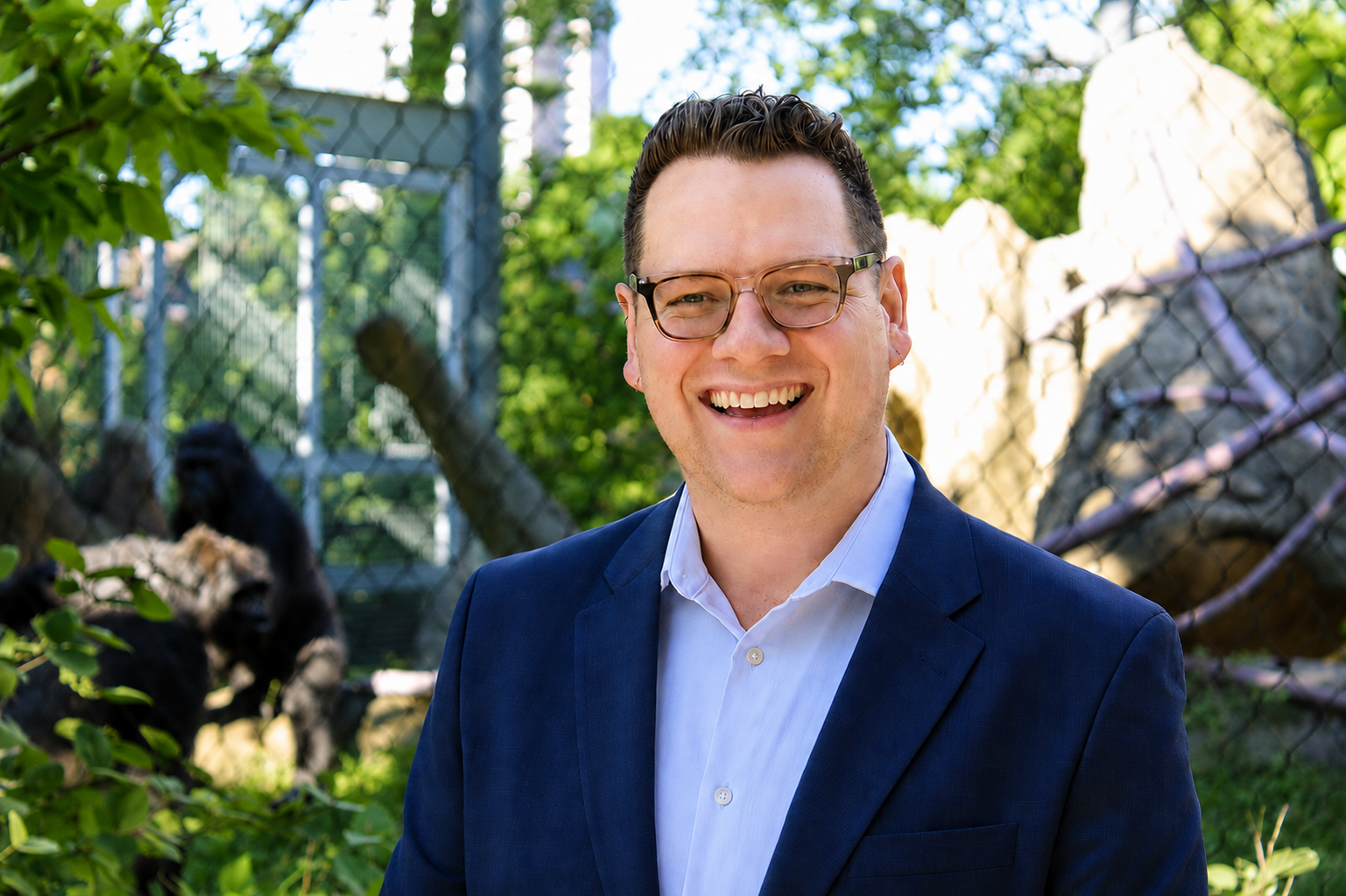
Jake Funkhouser, Ph.D.
Director, Lester E. Fisher Center for the Study and Conservation of Apes
Jake is a primatologist keenly interested in a broad range of species, with experience innovating methods to study behavior in sanctuary, zoo, and wild settings. His academic background in biological anthropology and comparative psychology have resulted in research on great ape social behavior, cognition, culture, welfare, conservation, and the exciting intersections of these topics. Jake is also committed to providing inclusive educational opportunities to those from underrepresented backgrounds in the sciences.
Early in his career at Central Washington University, Jake spent time in Panama rehabilitating confiscated pet monkeys and later conducted research at Chimpanzee Sanctuary Northwest in Washington state. In graduate school at Washington University in St. Louis, Jake’s research involved developing new approaches to study and compare wild chimpanzees (at the Congo-Apes Project, Nouabalé-Ndoki National Park, Republic of Congo) with groups living in zoo and sanctuary settings (at the Saint Louis Zoo and Save the Chimps sanctuary). He has studied the fission-fusion social dynamics of chimpanzees and intergroup relationships of wild western lowland gorillas and been involved in several projects related to the social roles, social learning, and social cognition of apes. As a postdoctoral scientist at the University of Zurich, Jake coordinated the detailed video analysis for a large collaborative project focused on the developmental origins of culture in humans, chimpanzees, bonobos, and gorillas.
Jake is an active collaborator with the Congo-Apes Project. He also serves on the Board of Directors for Chimpanzee Sanctuary Northwest and the Council of Professionals for the North American Primate Sanctuary Alliance.
For more information about Dr. Funkhouser, to go to his website.
Talk Title and Abstract:
Forms and Functions of Social Roles, Integration, and Belonging Across Great Ape Societies
Social roles are ubiquitous in human societies, allowing individuals with different skills, relationships, and responsibilities to collectively construct their social worlds. Yet the evolutionary origins of social roles, and their influence on social integration and belonging, remain poorly understood. In this talk, I draw on research with wild and captive chimpanzees and western lowland gorillas to examine the diverse forms and functions of social roles across great ape societies. Longitudinal behavioral observations and social network analyses reveal how individual choices, context-specific relationships, and flexible patterns of association shape both individual social niches and broader community structure. These studies illustrate how particular individuals can promote social cohesion, intervene in conflicts, and contribute to community stability. Evidence that chimpanzees anticipate the actions of skilled social partners and form joint commitments during social activities further suggests that apes recognize and respond to the roles of others. Together, this work advances our understanding of the evolutionary history of social roles as well as how roles and social integration may contribute to individual wellbeing. I conclude by considering how ongoing longitudinal behavioral monitoring and touchscreen research at Lincoln Park Zoo can deepen our understanding of the cognitive and social processes underlying roles and belonging across great ape societies.
RMPA Distinguished Lecture

Wendy Birmingham, Ph.D.
Brigham Young University
Dr. Birmingham's research is guided by previous research indicating that the quality and quantity of one’s social relationships are linked to lower morbidity and mortality and protect against the adverse effect of stress. Her research focuses on two pathways linking relationship quality and quantity to health outcomes: physiological pathways and behavioral pathways. She is interested in how social networks, marital relationships, and family processes can impact blood pressure, a predictor of cardiovascular disease risk. In terms of examining behavioral pathways, Dr. Birmingham is interested in how relationship processes such as relationship quality, familial support and influence, spousal support and influence, and patient-provider influence can impact behaviors such as cancer screening adherence (e.g., HPV vaccination adherence, colorectal cancer screening adherence, mammography adherence), and diet and lifestyle choices, specifically in individuals who are at increased risk for cancer due to a family history.
Talk Title and Abstract:
Does it Really Matter: The Benefits of Relationships on Physiological and Psychological Health
Social relationships have long been associated with both psychological and psychological health outcomes, including depression, anxiety, loneliness, daily blood pressure, and nocturnal blood pressure dipping. Many studies have specifically looked at hypertensive individuals or have not differentiated hypertensive from normotensive individuals. Additionally, many studies only look at the quantity of an individual’s relationships, without including the quality of those relationships. It is important to know how normotensive individuals benefit from both the quantity and the quality of their social relationships, including both spousal and network relationships. In this presentation we discuss these relationships and their impact on both psychological and physiological health.
RMPA Distinguished Lecture
Ryan Olson, Ph.D.
University of Utah
Dr. Olson is Professor of Occupational Health Psychology at the Rocky Mountain Center for Occupational and Environmental Health at the University of Utah. During his applied science career Dr. Olson has developed and evaluated many uniquely effective workplace programs to reduce stress, reduce injury hazards, improve health behaviors (sleep, exercise, diet), and improve well-being. He is known for his work in transportation and home care industries. Dr. Olson is a charter member and inaugural fellow of the Society for Occupational Health Psychology, past President of the Organizational Behavior Management Network, and founding investigator and past Co-Director of the Oregon Healthy Workforce Center – a NIOSH Center of Excellence for Total Worker Health®. At the University of Utah, Dr. Olson helped found a new graduate program in Occupational Health Psychology and provides leadership support for the U-POWER Total Worker Health® Center’s research core.
Talk Title and Abstract:
What’s Work Got to Do With It? Lessons Learned From a Career (So Far) in Occupational Health Psychology and an Invitation to Join In!
Psychology is great because it applies to just about every human endeavor! However, this broad applicability means it can be overwhelming to try and decide how to specialize and ply our trade. Many people will spend about a third of their lives performing paid or unpaid work. Another third of our lives is spent sleeping, and sleep is strongly affected by our jobs! The point is that our occupations have tremendous impacts on our safety, health, and well-being. In this talk I will share how I found the field of Occupational Health Psychology and share some research highlights and lessons learned from my career developing and studying workplace safety, health, and well-being interventions. I will end the presentation by reviewing career opportunities in this excellent and growing psychological specialty.
Harry Kirke Wolfe Lecture

Aaron S. Richmond, Ph.D.
Metropolitan State University of Denver
Dr. Aaron S. Richmond (he/him/his) is a Professor of Educational Psychology in the Department of Psychological Sciences at Metropolitan State University of Denver. He completed his master’s degree in applied cognitive psychology from Montana State University in 2002 and received a doctorate in educational psychology from the University of Nevada, Reno in 2006. In more than 110 peer-reviewed journal articles, books, and book chapters, Dr. Richmond has explored effective pedagogical approaches to instruction in the K-16 populations. He investigates cognitive and elaborative processes, model teaching competencies, workforce readiness skills for psychology students, the efficacy of instructional strategies in online and face-to-face learning environments, and various other topics in the scholarship of teaching and learning. He is the lead author of An Evidence-based Guide to College and University teaching: Developing the Model Teacher, A Pocket Guide to Online teaching: Translating the Evidence-Based Model Teaching Criteria, and Co-Editor of The Oxford Handbook of Undergraduate Psychology Education. With more than two decades of professional teaching experience in the K-16 settings, Dr. Richmond has garnered several awards for excellence in teaching, such as the American Psychological Association (APA), Division 2, the Society for the Teaching of Psychology’s (STP) Jane S. Halonen Award. His pedagogy focuses on learner-centered, active learning and engagement, with a specific interest in developing higher-level thinking skills that students can apply in other classes. He has dedicated his academic career to studying the improvement of classroom practices and learning. Dr. Richmond is a member of several professional associations and has served as the Vice President for Programming for the Society of the Teaching of Psychology, the past president of the Northern Rocky Mountain Educational Research Association, the President-Elect of the Rocky Mountain Psychological Association, and an APA Fellow for STP.
Talk Title and Abstract:
Next GenU: Pedagogy That Powers Career Readiness
Today's psychology students need more than content knowledge; they need to launch confidently into a rapidly evolving workforce. We will explore how cutting-edge, evidence-based pedagogy (i.e., skills-based assessment, peer-to-peer learning, Skillful Psychology Student, and metacognitive instruction) that transforms psychology courses into active launch pads for career success from Intro to Capstone. You will leave with concrete, evidence-based tools to integrate workforce readiness seamlessly into your existing courses, without sacrificing academic rigor, and while empowering students to take off well-prepared for whatever comes next.
RMPA Distinguished Alumni
Invited Speakers
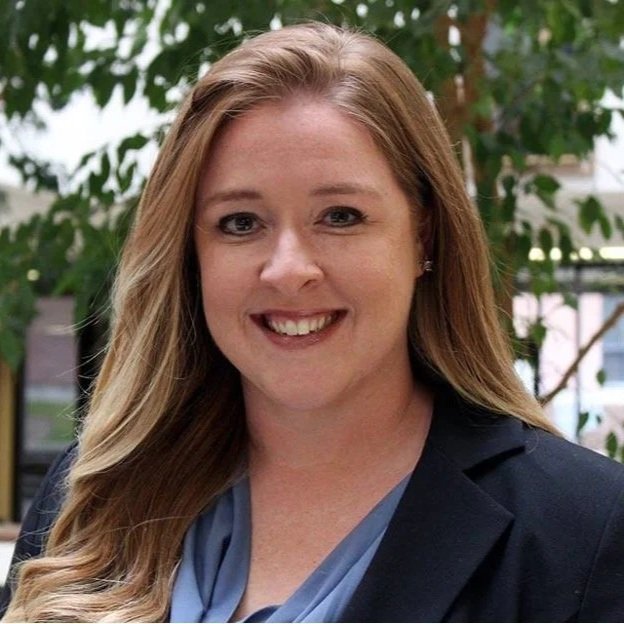
Malisa M. Brooks, Ph.D.
Utah Valley University
Malisa M. Brooks, Ph.D., LCSW, is an Assistant Professor of Social Work at Utah Valley University and Director of Research for the Suicide and Trauma Research Collaborative (STRC). Her research focuses on trauma, suicide, and psychological assessment, with particular emphasis on the psychometric properties and clinical utility of measures used to assess trauma-related symptoms and other mental health outcomes. Her work includes research with military and Veteran populations, first responders, survivors of sexual violence, and college students.
Dr. Brooks brings an interdisciplinary perspective to her research, integrating psychological science, clinical social work, and applied mental health practice. Her clinical background includes private practice and work on Department of Defense-funded clinical research trials focused on the treatment of trauma and trauma-related disorders. This experience informs her interest in ensuring that psychological assessment and intervention research translates meaningfully into clinical practice.
At Utah Valley University, Dr. Brooks teaches graduate research methods and clinical courses and mentors undergraduate and graduate students in trauma- and suicide-related research. Through STRC, she works closely with student researchers across multiple projects, with an emphasis on developing their skills in research design, psychological measurement, data analysis, scientific communication, and dissemination. Her broader scholarly work seeks to strengthen the connection between rigorous psychological research and evidence-based approaches to assessment, intervention, and mental health care.
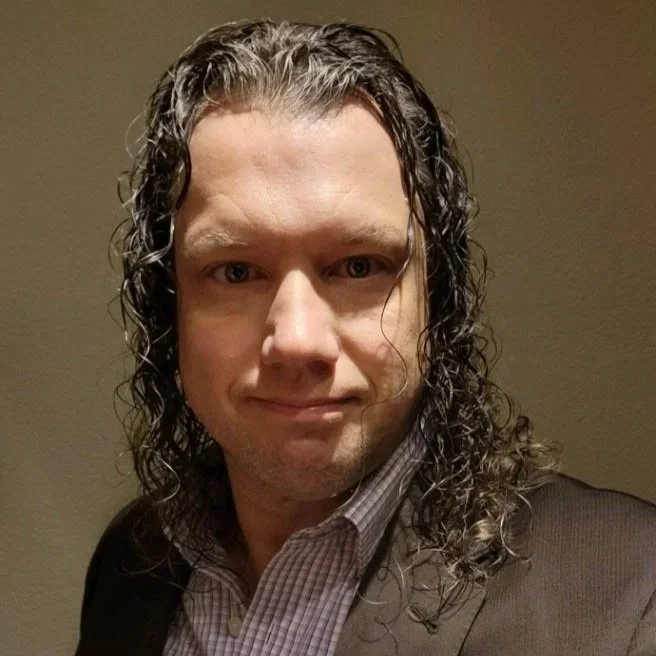
Kent D. Hinkson Jr., Ph.D.
Utah Valley University
Dr. Kent Hinkson is a clinical psychologist whose work focuses on trauma, suicide, PTSD, and moral injury, with particular emphasis on Veterans and other trauma-exposed populations. A retired Non-Commissioned Officer of the United States Marine Corps, he brings both clinical and military experience to his research, teaching, and training. Dr. Hinkson completed his predoctoral internship with the Charleston Consortium, jointly affiliated with the Medical University of South Carolina and the Ralph H. Johnson VA Medical Center in Charleston, South Carolina, followed by a three-year advanced postdoctoral research and clinical fellowship with the U.S. Department of Veterans Affairs at the South Central Mental Illness Research, Education, and Clinical Center (MIRECC) in Little Rock, Arkansas.
Dr. Hinkson is an Assistant Professor in the Department of Psychology & Counseling at Utah Valley University, where he teaches courses in abnormal psychology, statistics, research methods, counseling and therapy, forensic psychology, and suicide and trauma. He is also the founding Executive Director of the Suicide & Trauma Research Collaborative (STRC), an interdisciplinary research collaborative focused on advancing trauma and suicide research while providing intensive research training and mentorship to undergraduate and graduate students.
In addition to his work at Utah Valley University, Dr. Hinkson serves as a consultant with the Central Arkansas Veterans Healthcare System and South Central MIRECC within the U.S. Department of Veterans Affairs. His work with the VA has included roles as an investigator, clinician, statistician, and implementation scientist, contributing to research and clinical initiatives aimed at improving the understanding, assessment, prevention, and treatment of PTSD, suicide, and moral injury.
Dr. Hinkson has extensive experience training mental health professionals in evidence-based approaches to trauma and suicide risk and is passionate about preparing current and future clinicians to work effectively with individuals experiencing traumatic stress and suicidal thoughts and behaviors. His clinical, research, and training experience spans work with Veterans, military personnel, sexual assault survivors, and other trauma-exposed populations, with an emphasis on translating psychological science into effective clinical practice.
Talk Title and Abstract:
Academic careers are often summarized as individual accomplishments: degrees earned, positions held, studies completed, publications produced, and presentations delivered. Yet those milestones obscure much of how meaningful work in psychological science actually happens. Behind the CV are mentors, collaborators, students, colleagues, families, communities, unexpected opportunities, failed ideas, competing responsibilities, and relationships that shape not only what we accomplish, but who we become along the way.
In this Alumni Address, Drs. Kent Hinkson and Malisa Brooks draw on lessons from their respective disciplines and professional paths to explore how human connection shapes the questions we ask, the work we accomplish, the careers and lives we build, and the impact our scholarship ultimately has on others. Scientific careers develop within networks of people who teach us, challenge our assumptions, open doors, share expertise, tolerate unfinished ideas, help us recover from setbacks, and make ambitious work possible. The most valuable professional relationships are not necessarily those in which people think alike, but those that bring different experiences, strengths, and perspectives to a shared purpose. Just as importantly, the relationships that sustain a life in psychological science extend far beyond academic collaboration to include students, mentors, friends, families, professional communities, and the individuals and communities our work is ultimately intended to benefit.
Drawing from experiences in trauma and suicide research, clinical practice and training, community engagement, teaching, and undergraduate and graduate mentorship, this address considers how scholarship can remain connected to the people it is intended to serve. It explores changing professional directions, setbacks and unexpected opportunities, life beyond academia, and the transition from benefiting from opportunities created by others to creating meaningful opportunities for students and emerging professionals.
Ultimately, this address challenges the mythology of the solitary scholar. A meaningful life in psychological science is not simply a collection of individual accomplishments. It is built through relationships, shared purpose, opportunities given and received, and the people who challenge us, support us, and sometimes help us imagine work we would never have undertaken on our own.
Talk Title and Abstract:
Academic careers are often summarized as individual accomplishments: degrees earned, positions held, studies completed, publications produced, and presentations delivered. Yet those milestones obscure much of how meaningful work in psychological science actually happens. Behind the CV are mentors, collaborators, students, colleagues, families, communities, unexpected opportunities, failed ideas, competing responsibilities, and relationships that shape not only what we accomplish, but who we become along the way.
In this Alumni Address, Drs. Kent Hinkson and Malisa Brooks draw on lessons from their respective disciplines and professional paths to explore how human connection shapes the questions we ask, the work we accomplish, the careers and lives we build, and the impact our scholarship ultimately has on others. Scientific careers develop within networks of people who teach us, challenge our assumptions, open doors, share expertise, tolerate unfinished ideas, help us recover from setbacks, and make ambitious work possible. The most valuable professional relationships are not necessarily those in which people think alike, but those that bring different experiences, strengths, and perspectives to a shared purpose. Just as importantly, the relationships that sustain a life in psychological science extend far beyond academic collaboration to include students, mentors, friends, families, professional communities, and the individuals and communities our work is ultimately intended to benefit.
Drawing from experiences in trauma and suicide research, clinical practice and training, community engagement, teaching, and undergraduate and graduate mentorship, this address considers how scholarship can remain connected to the people it is intended to serve. It explores changing professional directions, setbacks and unexpected opportunities, life beyond academia, and the transition from benefiting from opportunities created by others to creating meaningful opportunities for students and emerging professionals.
Ultimately, this address challenges the mythology of the solitary scholar. A meaningful life in psychological science is not simply a collection of individual accomplishments. It is built through relationships, shared purpose, opportunities given and received, and the people who challenge us, support us, and sometimes help us imagine work we would never have undertaken on our own.
Portenier-Wertheimer Teaching Conference Keynote Speaker
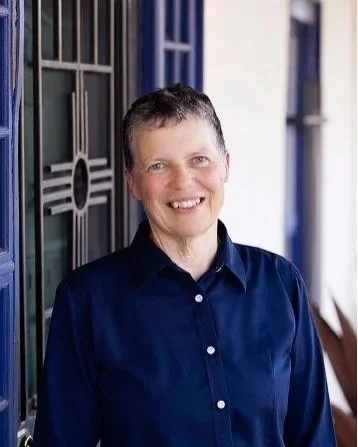
Sue Frantz
New Mexico State University
Sue Frantz taught psychology for 33 years at community colleges in the Midwest, Southwest, and Pacific Northwest. She is a past president of the Society for the Teaching of Psychology and currently serves as its executive director. Frantz is a recipient of the Charles L. Brewer Award, APA’s highest teaching honor, and in 2026 she joined the list of 53 other Distinguished Members of Psi Chi. She is a co-author of textbooks on introductory psychology, social psychology, and the pedagogy of psychology. She is affiliate faculty at New Mexico State University in Las Cruces, where she lives with her wife and two dachshunds. See more about her work at suefrantz.com.
Talk Title and Abstract:
Intro Psych Matters: The Next Edition of What Our Neighbors Need to Know
In a previous presentation, I provided examples of content that could be removed from and added to the Intro Psych course, using what our neighbors need to know as a guide. In this update to that presentation, I will discuss why so many Intro Psych textbooks have become encyclopedic and how to counter that trend. Several new examples of what we should consider excluding from and including in the course will be provided.